
University of Maryland Latin American and Caribbean Studies Center Home

Explore Latin American and Caribbean Studies at UMD
About
About LACS
LACS is a dynamic research center on the College Park campus and is well known internationally. In 1996, an undergraduate Latin American Studies and Caribbean Certificate program was established and the first cohort of LACS students signed up in fall 1997. The Certificate program continued in 2017, along with research support, academic presentations, student and faculty conferences and co-curricular cultural events. The Minor program started in the spring of 2019. The minor helps prepare students for careers related to Latin America.
About Latin American and Caribbean Studies CenterUndergraduate Students
Undergraduate
LACS provides a variety of undergraduate interdisciplinary programs and courses concerning the histories, cultures and peoples of Latin America and the Caribbean, including transnational migrations in and beyond the region.
UndergraduateGraduate Students
Graduate
LACS is firmly devoted to supporting the work of graduate student researchers and furthering a network of graduate student researchers and graduate education.
GraduateResearch
Research
LACS is a dynamic and supportive research community, in which each participant (undergraduate, graduate student, faculty, staff and public) is a crucial component of the whole.
ResearchResidency Programs
Residency Programs
The Latin American and Caribbean Studies Center offers two residency programs for graduate students and community members.
Residency ProgramsLACS Library
LACS Library
Completed in Fall 2026, the LACS Library is open to all at UMD to browse and enjoy.
LACS would like to thank the incredible efforts of the LACS student workers, Omar Chavarria, Melissa Briceño, and Kelyn Villatoro for making this library possible.
Browse LACS's selection of books here.Immigration News and Updates
UMD Support
If you're experiencing an issue with your immigration status, the International Student and Scholar Services (ISSS) is here to support you. Contact ISSS Director, Susan-Ellis Dougherty at (301)314-1713 or send us a message at isss_inquiry@umd.edu. You can also contact the UMD Police Department at (301)405-3333.
For the latest news and updates on visas and immigration, visit the UMD Immigration News and Updates page.
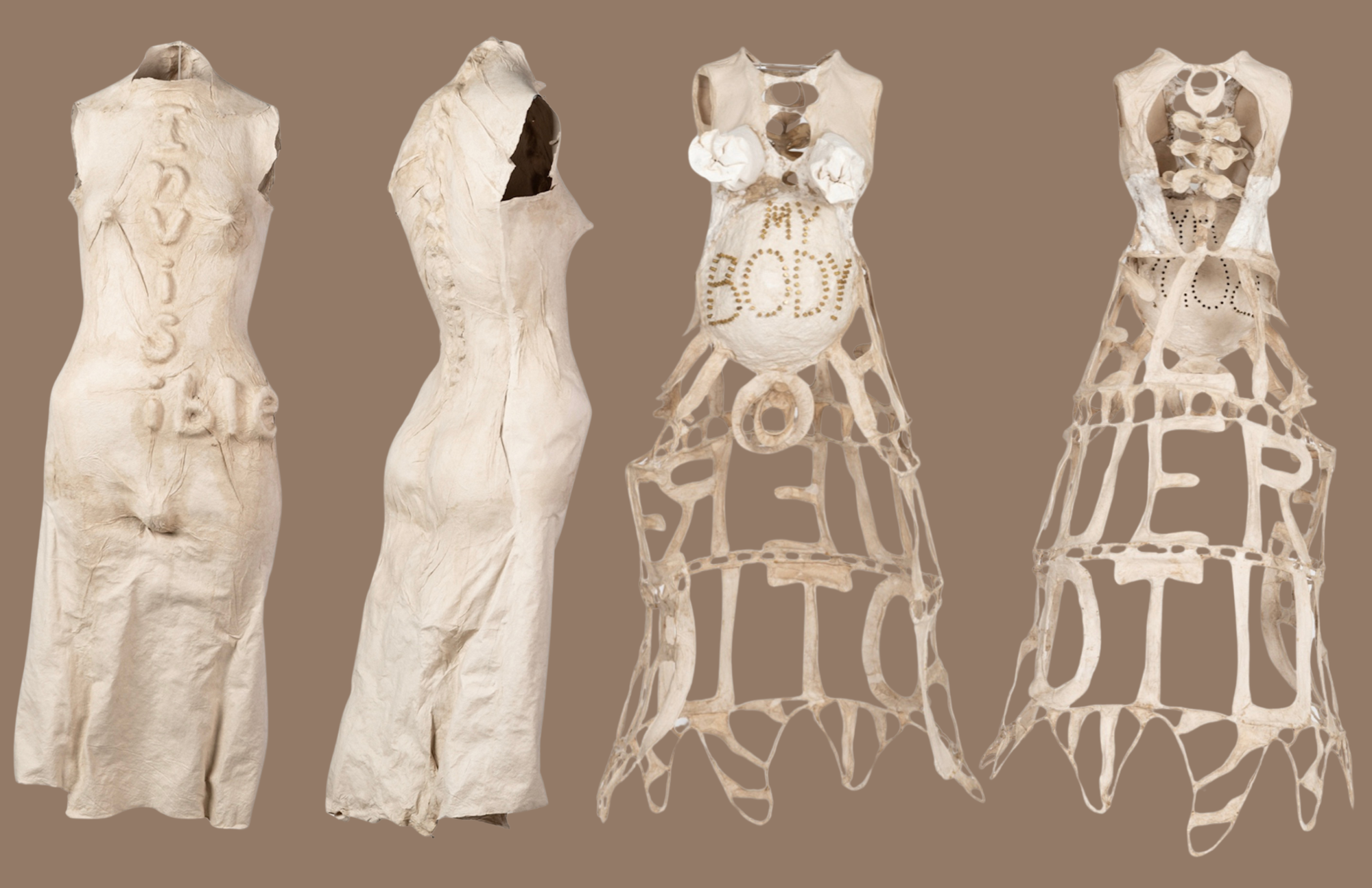
Marta Pérez García's exhibit features her handmade torsos, and additional workshops offer opportunities to engage directly with the themes in her work.
Additional Events
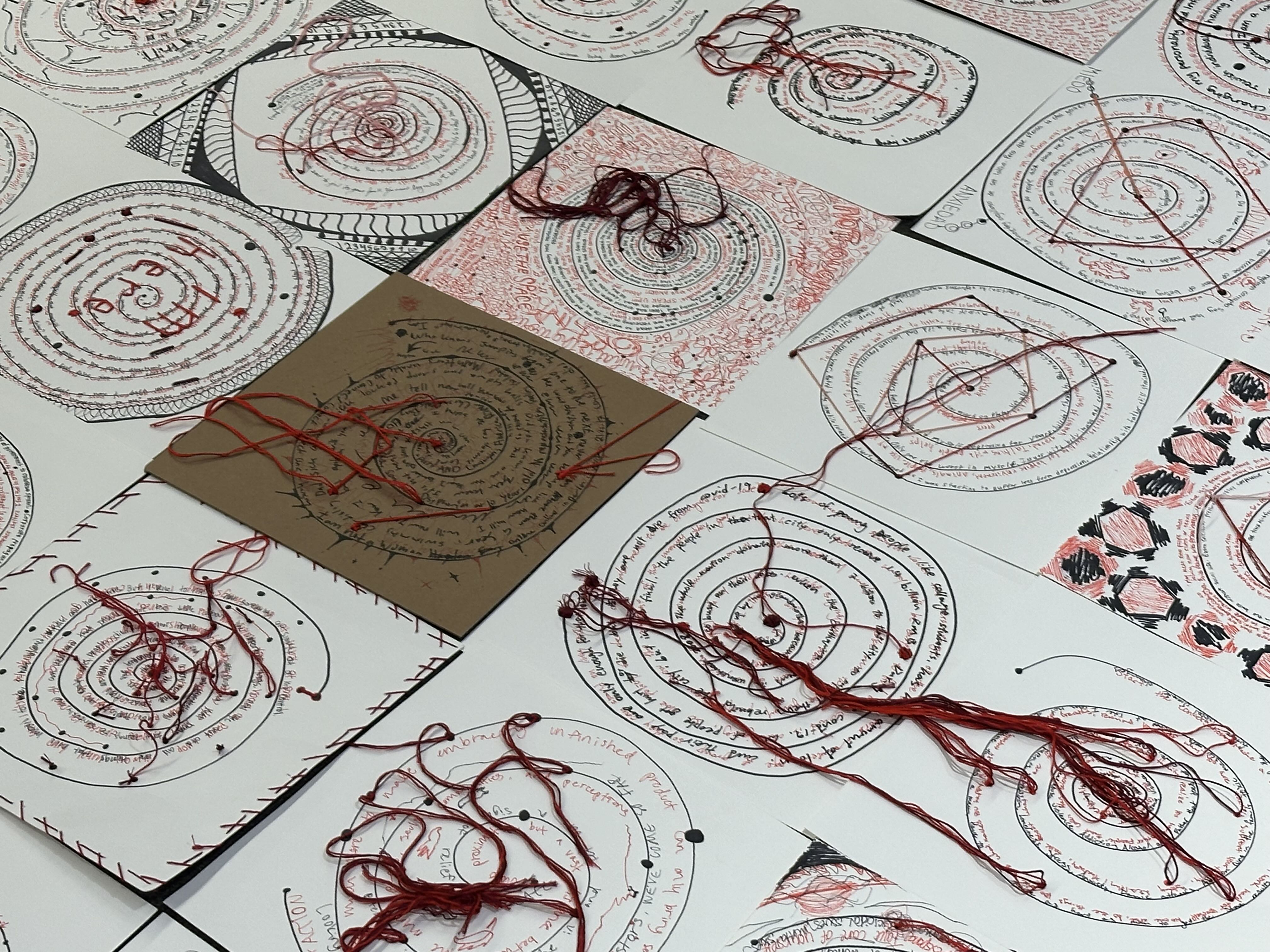
In addition to the exhibit, Marta Pérez García will hold several workshops:
Sept 15
1 - 4pm: drop-in Artist Workshop
4 - 5pm: NextNOW Fest Exhibition Opening
Sept 19
11:15 AM - 12:15 PM: Artist Workshop • Hyattsville Branch Library
*All events are in the HJP Atrium unless otherwise specified
Marta Pérez García: Bearing Witness
Art Exhibition hosted by LACS
LACS hosts artist Marta Pérez García for a series of workshops and an art installation throughout Latine Heritage Month 2026. Her work will be on view during business hours in the HJ Patterson Atrium. She will also hold several hands-on sessions open to the UMD community.
More information about her work and the schedule of events can be found at this link.
The exhibit will run September 15 - October 15, 2026 in the HJ Patterson Atrium. All are welcome to visit during business hours.
News View All News
Recent Research
Predicting crime in middle-size cities. A Machine Learning model in Bucaramanga, Colombia.
Machine learning strategies to predict crime tested in mid-size cities in Colombia.
Author/Lead: Juan GelvezNon-ARHU Contributor(s): María Paula, Nieto-Rodríguez & Carlos-Andrés Rocha-Ruiz
Crime prediction models are a useful tool for building prevention strategies in major cities. However, there are limitations for its application in intermediate cities, which have little information. This paper offers an effective computational strategy for crime prediction.
Conflict in Brazil: Evolving criminal actors, political linkages, and increased global relevance
The internationalization of Brazil's largest drug cartel, the Primeiro Comando da Capital (PCC)
Author/Lead: Carolina SampóNon-ARHU Contributor(s): Marcos Alan Ferreira, Ryan Berg, Paula Miraglia & Juan Pablo Medina Bickel
Carolina Sampó, the 2022-2023 LACS Postdoctoral Fellow, was invited to present her research on the global activities of drug cartels at the International Institute for Strategic Studies, UK.
How International Donations of Environmental Aid Reach Subnational Beneficiaries in Argentina, Brazil, and Mexico
The fight against climate change increasingly connects International Organizations (IOs), national governments, and subnational governments.
Author/Lead: Isabella AlcañizNon-ARHU Contributor(s): Agustina Giraudy
How are international funds to fight climate change and environmental degradation distributed to subnational beneficiaries? This research develops a novel multilevel theory that poses that tension between the preferences of the IO and national governments helps explain the subnational distribution of environmental aid – even more than pure environmental or social need.